

Capturing the Essence of Food: A Journey Through Flavors

Updated: Apr 9
Food Was Never Just About Eating
I remember the first time I photographed a dish that genuinely stopped me. Not because of the food itself, though it was beautiful. But because of what it made me feel the moment I looked at it through the lens. It was a bowl of something warm and spiced, fragrant in a way that the camera obviously could not capture, surrounded by ingredients that told the whole story of where the dish came from. And I realised that my job, the real job, was to make someone who had never tasted this food, who had never even been in the same room as it, feel exactly what I was feeling in that moment.
That is the challenge and the privilege of food photography. Food is the most multisensory experience we have. It engages taste, smell, touch, sight, and even sound, the sizzle, the crunch, the gentle pour. A photograph captures none of that directly. And yet somehow, a great food photograph communicates all of it. It bypasses the rational mind and lands somewhere deeper, somewhere that makes you lean forward, swallow involuntarily, and want to be wherever that dish is.
This is the journey we take on every shoot. Not to document food. To capture its essence. And that difference, between documentation and essence, is everything.
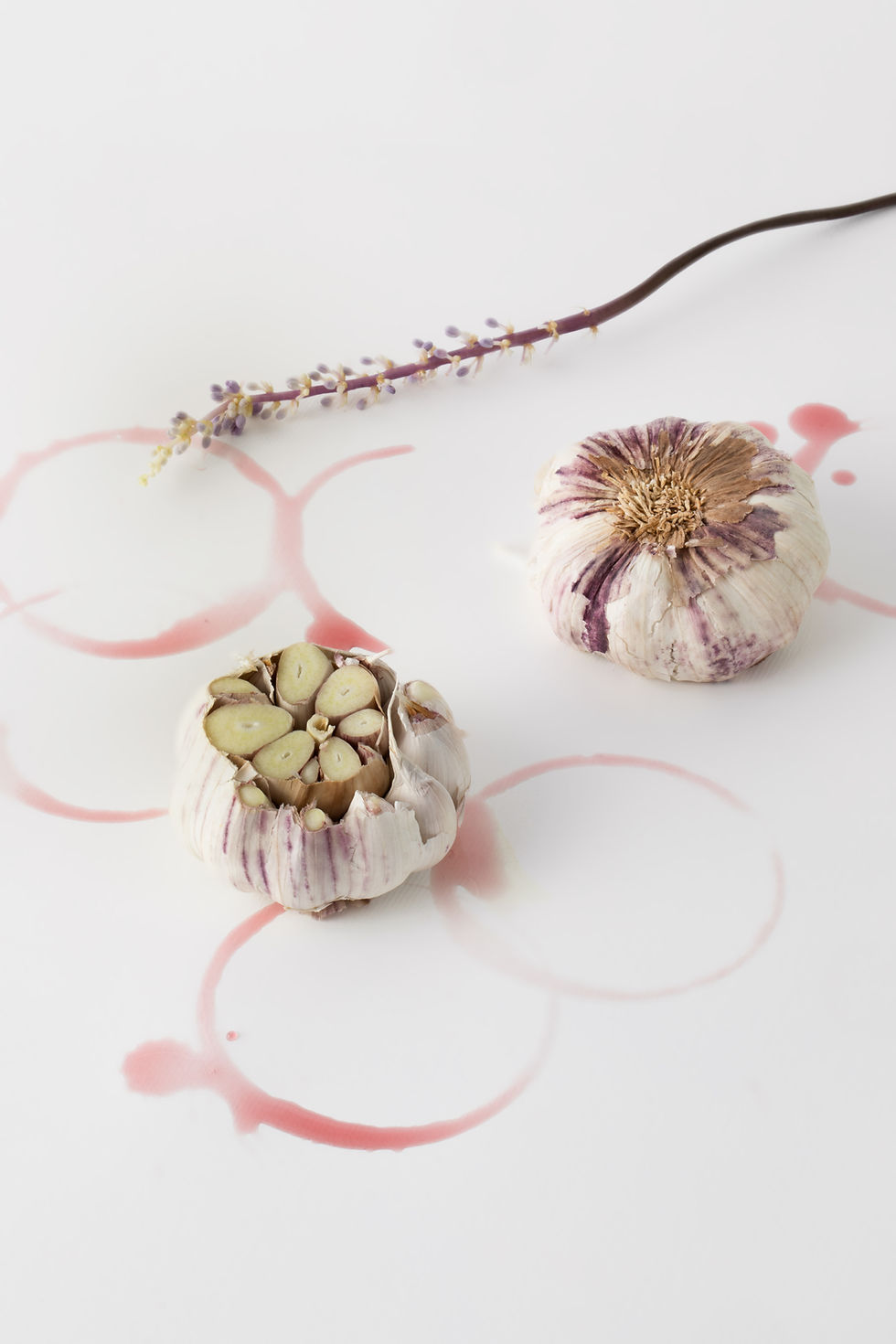
Food Is Culture, Memory, and Identity Compressed into a Frame
Every dish carries a history. The spices in a Emirati biryani tell the story of trade routes that shaped the Gulf centuries ago. A perfectly laminated croissant carries the weight of French pastry tradition, refined over generations. A bowl of ramen in a Tokyo side street contains the philosophy of a craftsperson who has spent decades perfecting a single thing.
When I pick up a camera to photograph food, I am not photographing ingredients. I am photographing all of that. The culture, the craft, the memory, the identity of a dish and the people behind it. This is what makes food photography in Dubai such a uniquely rich discipline. The city is one of the most culinarily diverse places on earth. In a single day, I might photograph Emirati dates and honey in the morning, a contemporary Korean-Japanese fusion dish at lunch, and an artisan Italian pasta at dinner. Each requires a completely different visual language. Each carries a different story.
The photographer's job is to understand which story needs to be told and then to find the visual approach that tells it honestly and compellingly.
Great food photography does not impose a style on a dish. It discovers the style that the dish already has. The food tells you how it wants to be photographed. Your job is to listen.
How to Make a Two-Dimensional Image Feel Like All Five Senses
The fundamental problem of food photography is translating a multisensory experience into a single static image. There is no smell in a photograph. No texture you can feel. No warmth coming off the plate. No sound of the sizzle. And yet the best food photographs somehow communicate all of those things.
They do it through a set of visual cues that the human brain has learned to associate with sensory experience. Steam rising from a dish tells the brain warmth. The glisten of oil on a char-grilled surface triggers the anticipation of smoke and fat. The visible pull of melted cheese tells the brain about texture and heat simultaneously. The scattered crumbs around a broken pastry communicate the sound and feel of the crust before anyone has touched it.
These cues are not accidents. They are the result of deliberate decisions about lighting, timing, styling, and angle. The food photographer's craft is knowing which cues to create and activate in each image, and how to stage a scene so that those cues appear naturally rather than looking manufactured.
The Role of Light in Communicating Flavor
Light is the most powerful tool in the food photographer's kit for communicating sensory experience. Hard directional light at a low angle creates shadows across textures, making a rough crust look rough, a smooth sauce look smooth, a crispy skin look genuinely crispy. Soft diffused light wraps around delicate subjects, fresh herbs, pale sauces, light coloured pastries, and makes them feel clean, fresh, and pure.
The colour temperature of the light affects the emotional register of the image. Warm light, slightly golden, makes food feel comforting, indulgent, and inviting. Cool light feels precise and fresh, appropriate for salads, seafood, and anything where the message is clean and healthy. Getting this wrong, using cool light on a bowl of stew or warm light on a sashimi plate, creates a subtle but real dissonance that viewers feel even if they cannot name it.
Timing: The Two-Minute Window
Food exists at its peak for a very short time. The moment a dish leaves the kitchen, the clock starts. Steam disperses. Sauces start to skin over. Garnishes begin to wilt. Ice cream melts. The condensation on a cold glass evaporates. A professional food photographer understands this and organises every element of a shoot around it.
By the time the hero dish arrives on set, the lighting is already set, the composition is already framed, the camera settings are already dialled in, and every prop and supporting element is already in place. The photographer is ready to shoot the moment the dish lands. That readiness is what separates professional food photography from everything else.
Food Photography in Dubai: A Market Unlike Any Other
Dubai's food scene is one of the most dynamic and competitive in the world. The city attracts chefs, concepts, and cuisines from across the globe and presents them to one of the most internationally sophisticated consumer bases anywhere. The result is a food photography market where the visual standards are genuinely world-class and where mediocre imagery is simply not competitive.
Restaurants in Dubai are not just competing with other restaurants in the city. They are competing visually with the best food content from New York, London, Tokyo, and Paris, because that is what their customers have on their feeds. The food photography you produce needs to belong in that company. It needs to feel like it comes from a brand that knows what it is doing visually, and that understands how to present itself to an audience that has seen everything.
This is not a reason to be intimidated. It is a reason to be deliberate. To understand what your specific cuisine, your specific brand, and your specific customer require visually, and to execute that with the skill and intention it deserves.
The Diversity Challenge and Opportunity
One of the things I love most about food photography in Dubai is the sheer diversity of subjects. In a single week I might photograph traditional Emirati cuisine with its warm, earthy palette and deep cultural resonance. Then a contemporary Korean concept with its vibrant colours and precise geometric presentation. Then a luxury French patisserie where every image needs to communicate the obsessive craft of the pastry chef. Then a casual street food concept where the images need to feel energetic, spontaneous, and democratic.
Each of these requires not just different technical approaches but a completely different creative mindset. The visual language of high-end French patisserie photography and street food photography are almost opposites. Applying one to the other produces images that feel wrong in a way that is hard to articulate but impossible to miss.
This is why the most important skill in food photography is not technical. It is the ability to read a dish, a brand, and a brief, and to understand intuitively what visual approach will serve it best.
Where Food Photography and Product Photography Converge
Food and product photography are often treated as separate disciplines, and in many ways they are. The subjects behave differently, the styling approaches are different, the time pressures are different. But at a deeper level, they share the same fundamental challenge: communicating value, quality, and desirability through a two-dimensional static image to someone who cannot hold, taste, smell, or touch the subject.
The principles that make great food photography, light that reveals texture, composition that guides the eye, styling that tells a story, timing that captures the peak moment, are the same principles that make great product photography. The lens choice, the background decisions, the colour palette, the relationship between the subject and its environment. All of these translate across both disciplines.
Building a Visual Strategy Around Your Food Brand
Great food photography does not happen in isolation. It happens as part of a coherent visual strategy for a brand, a strategy that understands who the customer is, where the images will live, what emotions they need to trigger, and how they will work together to build a consistent and compelling brand identity over time.
For restaurants and food brands in Dubai, this strategy needs to account for the full range of platforms and contexts where the images will appear. Social media feeds, where lifestyle and editorial photography performs best. Delivery platform listings, where clean product-focused imagery is essential. Menus, where the images need to work both digitally and in print. Google listings, where a strong hero image can be the difference between a click and a scroll-past.
What Food Photography Actually Does for Your Business
I want to address something directly, because I hear it regularly from restaurant owners and food brand operators across Dubai: the question of whether professional food photography is worth the investment.
The answer is not just yes. The answer is that for most food businesses operating in the Dubai market today, professional photography is one of the highest-return investments available. The images your brand produces are not a cost. They are an asset that works continuously across every channel, every platform, and every customer touchpoint, for as long as you use them.
A customer who discovers your restaurant on Instagram because a beautifully photographed dish stopped their scroll has already been sold before they ever read a word of your menu. A customer who sees your delivery platform listing and is drawn in by a hero image that makes your food look genuinely excellent has already made a decision before they hit the order button. This is the work that great food photography does, silently and continuously, at scale.
The Ethics of Making Food Look Its Best
There is a version of this conversation that comes up sometimes, usually from people who have seen the viral videos of fast food photography versus the actual product, and it goes like this: is food photography honest?
My answer is: it depends entirely on the photographer and the approach. There is a kind of food photography that creates images fundamentally disconnected from what a customer will actually receive. That kind of photography is dishonest and ultimately self-defeating, because it sets expectations that the product cannot meet, which damages the brand more than poor photography ever could.
But that is not the kind of food photography that good practitioners do. The kind of food photography I believe in, and that we practice at Spinthiras Media, shows the dish at its honest best. It captures what the food is genuinely capable of being when it is prepared with care and skill. The styling brings out what is already there. The light reveals texture and colour that are genuinely present. The composition frames a dish the way it deserves to be seen.
The Equipment That Makes the Difference
People often ask me what camera I use, and I always give the same answer: the camera matters less than everything else. Less than the light. Less than the styling. Less than the timing. Less than the eye behind the viewfinder.
What matters more than the camera, and more than most people in the food photography world discuss openly, is the lens. Different lenses render food completely differently. A 50mm lens gives you a natural, honest perspective that feels close to how the eye sees a dish. A 100mm macro lens lets you get close enough to fill the frame with the detail of a single ingredient, the crystal of a sea salt flake, the bubble in a sauce, the texture of a perfectly seared crust. A wider lens can create a sense of environmental context but risks distorting the proportions of the food in a way that makes it look unappetising.
The Journey Continues
Food photography is not a destination. It is a practice. Every shoot teaches you something. Every dish presents a new challenge. Every brand asks you to find a visual language you have not used before.
What stays constant is the goal: to capture the essence of something that exists for only a moment, in its most honest and most compelling form. To make someone feel, through a flat image on a screen, the warmth and colour and texture and story of a dish they have not yet tasted.
That is the journey. And after over a decade of doing this work in Dubai and beyond, I can tell you honestly: it never gets old. Every time I get it right, it still feels like the first time.
Want to capture the essence of your food brand?
At Spinthiras Media, food photography is not just what we do. It is what we are genuinely passionate about. If you want to talk about your restaurant, your food brand, or your next shoot, let's have that conversation.


Comments